21+ Years in San Diego · Licensed & Insured

San Diego Insulation Contractor for Cooler Attics and Lower SDG&E Bills

San Diego's mild reputation hides a costly problem. Most of the city's homes were built for ocean breezes, not 95°F September afternoons in Tierrasanta or Rancho Bernardo. That means thin attic insulation, uninsulated walls, and raised floors that leak air. Under a dark shingle or tile roof, the attic can run 40–50 degrees hotter than outside air, pushing heat straight into your living room while your AC burns through SDG&E's peak-hour rates. San Diego Insulation Masters fixes that at the source with properly installed attic, blown-in, spray foam, and crawl space insulation sized for your home's climate zone.

We've worked in San Diego homes since 2005, so we know the local quirks. Clairemont ranch houses have shallow attics you have to crawl through on your belly. North Park Craftsmans sit over damp crawlspaces with nothing under the floor. Point Loma cottages take in marine air every May Gray morning. We size each job for its microclimate, whether that's moisture control near the coast or heavy R-value and radiant barriers inland, and we give you an honest, itemized quote before any work starts.

  • Serving San Diego homeowners since 2005
  • Bonded and insured
  • Free in-home quotes with itemized pricing

For two decades, San Diego homeowners have counted on us for straight answers, fair pricing, and careful work in the parts of their homes they rarely see.

Request Your Free Estimate

No obligation. Fast, honest quotes.

Your information is never shared.

Online Estimates
Onsite Service
Licensed & Insured
Customer Rated
Local Expertise

Why San Diego Homes Need Insulation Built for Local Conditions

San Diego isn't one climate. It's at least two, and sometimes three, all inside one county. A Pacific Beach cottage and a Scripps Ranch tract home have very different insulation needs, and a one-size-fits-all approach wastes money in both. Here's what drives insulation decisions in San Diego.

Coastal Fog vs. Inland Heat: Climate Zones 7 and 10

The California Energy Commission puts the coastal strip in Climate Zone 7. Summer highs there sit in the low-to-mid 70s, and the May Gray and June Gloom marine layer brings steady humidity and condensation. Move a few miles inland to Zone 10 and the picture changes fast. Valleys regularly hit the 90s and top 100°F in late summer, and winter nights can drop into the upper 30s. Coastal attics and crawlspaces mostly need vapor management and ventilation. Inland homes need higher attic R-values and radiant barriers to fight relentless sun. In fall, Santa Ana winds blow in hot, dry air, fine dust, and wildfire smoke through every unsealed gap. Rain is scarce, about 10 inches a year at Lindbergh Field, so the biggest threat to most homes is heat, not cold.

A Housing Stock Never Designed for Cooling Loads

Much of San Diego was built before California's first energy code took effect in 1978. Craftsman and Spanish Revival homes from the 1910s–1930s in North Park, Kensington, and Mission Hills usually have uninsulated walls, raised floors over crawlspaces, and attics with little or no insulation. Post-war ranch homes in Clairemont, Allied Gardens, and Linda Vista have low-slope roofs, cramped attics, and ductwork running through them, sometimes still wrapped in asbestos-era material. The 1970s–1990s tracts in Mira Mesa, Rancho Peñasquitos, and Rancho Bernardo did get fiberglass, but after 40-plus years it's often settled, compressed, or fouled by roof rats. Even newer Carmel Valley homes built to stricter Title 24 standards can benefit from extra attic R-value and a radiant barrier.

Title 24, Permits, and Historic Districts

California's Title 24, Part 6 sets insulation minimums by climate zone, and the 2022 code is now in effect. Additions, ADUs, re-roofs, and HVAC changeouts can trigger requirements for ceiling insulation, air sealing, and HERS field verification such as duct leakage testing or Quality Insulation Installation. A simple attic top-off usually doesn't need a permit, but work involving ducts, electrical, or additions goes through the City of San Diego Development Services Department or the County. If pre-1980 materials like vermiculite could be disturbed, asbestos testing may be required under San Diego County APCD rules. Historic districts in North Park, Mission Hills, South Park, and Kensington-Talmadge restrict exterior changes, which makes interior and blown-in methods the practical choice. Homes in Wildland-Urban Interface areas such as Scripps Ranch and Tierrasanta fall under Chapter 7A ember-resistant vent rules.

High Energy Costs and an Efficiency-Minded Market

SDG&E rates are among the highest in the continental US, and time-of-use pricing makes late-afternoon cooling the most expensive power you buy. That's exactly when a hot attic does the most damage. Many homeowners added central AC to homes that were never built for it, and those systems struggle against missing insulation and leaky ducts. San Diego also leads the state in solar adoption, and cutting your home's load before you size panels or batteries can mean a smaller, cheaper system. Federal 25C tax credits for insulation and air sealing, along with SDG&E and California incentive programs that change over time, can offset part of the cost. With median home values near $1 million, insulation is also a modest investment that protects a very large one.

Know The Signs

Common Insulation Problems in San Diego Homes

Most of the insulation problems we find in San Diego come back to four local causes: older homes built for mild weather, intense inland sun, coastal moisture, and roof rats. Here are the issues we see most often, how to spot them, and how serious each one really is.

Rodent-Contaminated Attic Insulation

Serious

Roof rats and mice nest in attic insulation. They tunnel through it, compress it, and leave behind droppings, urine, and nesting debris. Contaminated insulation loses much of its R-value and can carry odors and pathogens such as hantavirus into your home through ceiling gaps and recessed lights.

Why it happens here

Roof rats thrive in San Diego's mild climate. Palm trees, citrus, ivy, and bougainvillea give them easy routes onto the roof year-round, and there's no hard freeze to knock populations down. Older homes have unscreened vents, gaps at roof eaves, and openings around plumbing stacks. Once rats get inside, loose fiberglass and blown insulation make warm, protected nesting material. We find heavy infestations in canyon-adjacent neighborhoods, where open space and brush sit right next to homes.

Signs to watch for
  • Scratching or scurrying overhead at night
  • Droppings near attic access or in the garage
  • Tunnels, flattened areas, or nests in insulation
  • Musty or ammonia-like odor in upstairs rooms
  • Chewed wiring, ductwork, or vent screens
  • Pets fixated on ceilings or walls
Local patterns

Common in canyon-rim homes in Kensington, Mission Hills, Clairemont, and Tierrasanta, and in older North Park bungalows with mature fruit trees. Activity often picks up in fall and winter, when rats look for sheltered nesting spots.

Our fix

After pest exclusion, we vacuum out the contaminated insulation, clean and sanitize the attic, seal entry points we can reach, and install fresh blown-in insulation at current R-value targets.

Superheated Attics and Under-Insulated Ceilings

Serious

An attic with too little insulation, often under R-19 and sometimes almost none, lets roof heat radiate straight into the rooms below. Upstairs rooms stay hot well into the evening, and the AC runs constantly through SDG&E's most expensive time-of-use hours.

Why it happens here

Inland Zone 10 neighborhoods regularly see 90°F-plus afternoons from July through October. Dark asphalt shingles and concrete tile roofs absorb that sun and can push attic temperatures above 140°F. Many homes built before 1978 have only a few inches of old insulation, and even 1980s–90s homes have lost depth to settling. Add AC ducts running through that hot attic and you're paying to cool air that heats up before it ever reaches a room.

Signs to watch for
  • Upstairs or back rooms 5–10°F warmer than the rest of the house
  • Ceilings warm to the touch on summer afternoons
  • AC running nonstop from 3 to 8 p.m.
  • Summer SDG&E bills that keep climbing
  • Insulation level below the top of ceiling joists
  • Visible drywall or gaps between batts
Local patterns

Most severe in Rancho Bernardo, Scripps Ranch, Mira Mesa, Rancho Peñasquitos, and Tierrasanta, where late-summer heat is intense, and in single-story Clairemont and Allied Gardens ranches whose attics were never properly insulated.

Our fix

We add blown-in insulation to reach R-38 to R-49, air seal the ceiling plane, and recommend a radiant barrier where strong sun exposure makes it worthwhile.

Damp Crawlspaces and Uninsulated Raised Floors

Moderate

Homes on raised foundations often have no insulation under the floor. The crawlspace below takes in cool, moist marine air, so floors feel cold in winter, humidity builds up, and any old batts sag, soak up moisture, and grow mold.

Why it happens here

San Diego's early-1900s homes were almost all built on raised wood floors with vented crawlspaces. Near the coast, the marine layer pushes damp, salty air under the house for weeks at a time each spring. Winter rain, though limited, collects in low spots over expansive clay soils. Back when these homes were built, nobody insulated floors in a climate this mild. That was fine without central heating, but today it means cold floors, higher bills, and moisture headed toward the subfloor.

Signs to watch for
  • Cold hardwood floors in winter
  • Musty smell inside the house
  • Batts sagging or lying on the soil
  • Condensation or mold on joists
  • Rusted fasteners or ductwork under the house
  • No vapor barrier over bare dirt
Local patterns

Typical in North Park, South Park, Normal Heights, Kensington, and Mission Hills Craftsmans, and in Point Loma and Ocean Beach cottages where marine air reaches the crawlspace almost every morning.

Our fix

We remove failed batts, put down a ground vapor barrier, and install properly supported underfloor insulation, or closed-cell spray foam where moisture or tight clearance calls for it.

Settled, Compressed, or Disturbed Fiberglass

Moderate

Over decades, blown fiberglass settles and batts get crushed by storage boxes, foot traffic, and HVAC or solar installers. Insulation that started at R-30 can perform closer to R-15 to R-19, and you'll often find bare spots.

Why it happens here

San Diego's 1970s–1990s tract homes are now 30 to 50 years old. Many have been through several AC replacements, a solar install, and recessed lighting upgrades. Each crew walks through the attic and leaves crushed or pushed-aside insulation behind. Low-slope concrete tile roofs leave very little headroom, which makes the damage worse. Hardly anyone checks the attic afterward, so homeowners keep paying for lost R-value for years.

Signs to watch for
  • Uneven insulation depth across the attic
  • Bare drywall near the attic hatch or HVAC unit
  • Matted or gray, dusty insulation
  • Footpaths worn through the insulation
  • Hot or cold spots in particular rooms
Local patterns

Widespread in Mira Mesa, Rancho Peñasquitos, Rancho Bernardo, University City, and Scripps Ranch, especially in homes that recently added rooftop solar or replaced HVAC equipment.

Our fix

We assess the existing material, remove it if it's damaged, then add or replace blown-in insulation to an even, verified depth, with rulers marked for your records.

Air Leaks, Dust, and Santa Ana Smoke Intrusion

Moderate

Gaps around top plates, recessed lights, plumbing penetrations, and attic hatches let unconditioned attic air leak into your living space. Insulation alone doesn't stop airflow, so leaky homes stay drafty and dusty no matter how much fluff is on top.

Why it happens here

Santa Ana winds in fall push hot, dry, dusty air and wildfire smoke through every crack in a building envelope. Expansive clay soils and small seismic movements open up cracks and gaps as homes settle. Older San Diego homes were never air sealed, and even newer stucco homes leak at penetrations. During smoke events, homeowners notice the haze inside, and that's often when they first realize how leaky the house is.

Signs to watch for
  • Smoke smell indoors during fire season
  • Dust lines on carpet edges or around ceiling fixtures
  • Whistling drafts near outlets or attic hatch
  • Dirty streaks on insulation over gaps
  • Rooms that heat up quickly on Santa Ana days
Local patterns

Most noticeable in WUI-adjacent areas like Scripps Ranch, Tierrasanta, and Rancho Bernardo during fall Santa Ana events, and in older Clairemont and Allied Gardens homes with many ceiling penetrations.

Our fix

We seal attic-floor penetrations with foam and fire-rated sealant, weatherstrip and insulate the attic hatch, then add insulation over the sealed ceiling.

Vermiculite or Asbestos-Era Materials

Emergency

Some older San Diego attics contain vermiculite, a pebbly gray-brown loose fill that may contain asbestos. Older duct wrap can contain it too. If it's disturbed during DIY work or a careless install, fibers can spread through the home.

Why it happens here

Vermiculite was widely sold as attic insulation through the 1980s, and some product from that era was contaminated with asbestos. Many San Diego homes built in the 1940s–1960s went decades without an attic upgrade, so the original material is still there. Asbestos-wrapped ductwork from the same period runs through Clairemont, Linda Vista, and Allied Gardens attics. San Diego County APCD rules govern how these materials are handled.

Signs to watch for
  • Pebble-like gray, gold, or brown loose fill
  • Fill pooled between joists under newer insulation
  • White or gray wrap on old ductwork
  • Home built before 1980 with no attic upgrades
  • Crumbling material near the attic hatch
Local patterns

Most often found in 1940s–1960s homes in Clairemont, Allied Gardens, Del Cerro, Linda Vista, and Serra Mesa, and occasionally in older Kensington and Mission Hills homes.

Our fix

Stop any attic work. We arrange testing first, and if the results are positive, a licensed abatement specialist handles removal before we install any new insulation.

Unvented Attics and Missing Baffles Near the Coast

Minor

When insulation blocks the soffit vents, or when baffles were never installed, attic airflow stalls. Moisture from marine air and indoor humidity condenses on the roof sheathing. In inland heat, the stagnant attic simply gets hotter.

Why it happens here

Many older San Diego homes were built without vent baffles, and later top-offs often packed insulation right into the eaves. Near the coast, May Gray and June Gloom bring weeks of humid air into the attic. If it can't vent, it condenses on cool sheathing and nail tips overnight. Salt in that air speeds up corrosion of fasteners and metal vents. Inland, blocked ventilation traps heat and shortens the life of your shingles.

Signs to watch for
  • Rusty nail tips poking through roof decking
  • Dark staining on the underside of the sheathing
  • Damp or clumped insulation at the eaves
  • Musty attic smell in early summer
  • Peeling paint at the eaves or soffits
Local patterns

Common in Pacific Beach, La Jolla, Ocean Beach, and Point Loma beach cottages and in Clairemont homes on the mesa edge, where marine air settles in each morning from May through July.

Our fix

We install rafter vent baffles, clear blocked soffits, and confirm balanced ventilation. Where code requires it, we recommend ember-resistant vents before adding new insulation.

What We Do

Insulation Services for Every San Diego Home

Every recommendation we make starts with what we find in your attic or crawlspace, not with whatever product happens to be on the truck. Here's how each service works and where it makes the most sense in San Diego homes, from coastal cottages to inland tracts.

Specialty

Attic Insulation

Attic upgrades give you the biggest comfort and bill improvement in most San Diego homes. We measure your current R-value, air seal the ceiling plane, and bring the attic up to the right level for your climate zone, typically R-38 to R-49.

Our approach

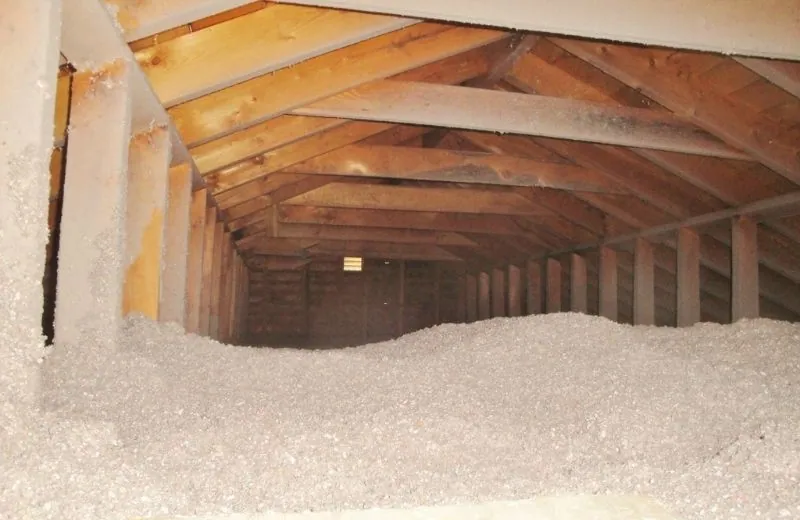
We start by inspecting for rodents, moisture, and vermiculite. Then we seal top plates, light housings, and penetrations, install baffles at the eaves, insulate the hatch, and blow in material to a verified, even depth with depth markers.

In San Diego, CA

In inland Zone 10 neighborhoods like Rancho Bernardo and Tierrasanta, we push toward R-49 and often pair it with a radiant barrier. In coastal Point Loma or Pacific Beach, ventilation and moisture control matter as much as R-value.

Best for

Homes with hot upstairs rooms, rising summer SDG&E bills, attics under R-30, or homeowners getting ready to add solar or a heat pump.

Specialty

Spray Foam Insulation

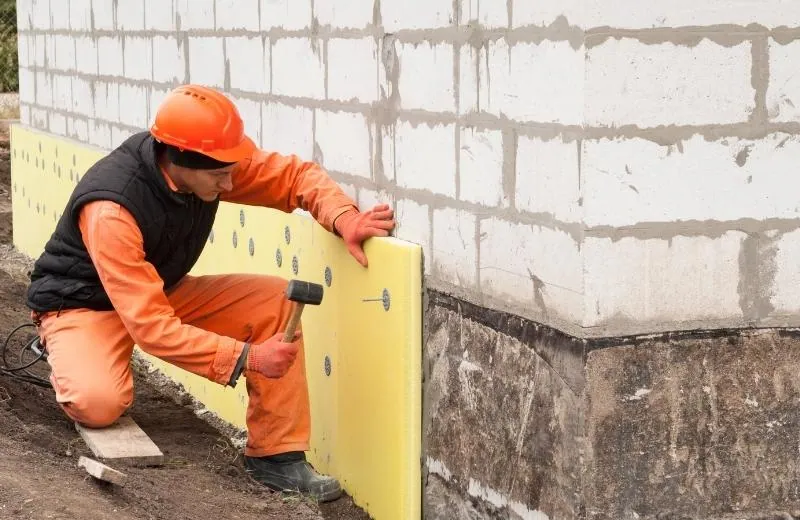
Spray foam insulates and air seals in one step. That makes it the right tool for tight spaces, rooflines, crawlspaces, and new additions where a complete air barrier matters.

Our approach

We use open-cell foam for sound control and rooflines with plenty of depth, and closed-cell foam where moisture resistance or high R-value per inch counts. We mask surfaces, manage ventilation during the work, and check foam thickness.

In San Diego, CA

Closed-cell foam works well under raised floors in damp coastal crawlspaces and in low-slope Clairemont roof assemblies that have no room for blown fill. Open-cell foam helps dampen flight-path noise in Point Loma and Mission Hills.

Best for

ADUs, garage conversions, cathedral ceilings, crawlspaces, conditioned attics with ducts, and homes near the airport or freeways that need sound dampening.

Blown-In Insulation

We install loose-fill fiberglass or cellulose through a hose. It fills around joists, wiring, and odd framing far more evenly than batts, which makes it the most cost-effective way to add attic R-value.

Our approach

We set baffles, protect recessed lights and flues with required clearances, then blow material to a target depth. For enclosed walls, we can dense-pack through small, patched holes without opening up the drywall.

In San Diego, CA

Dense-pack wall insulation lets owners of historic North Park, Kensington, and Mission Hills homes add R-value without the exterior changes the Historical Resources Board restricts. Attic blow-ins suit 1980s Mira Mesa and Rancho Peñasquitos tracts.

Best for

Attic top-offs, uninsulated walls in older homes, hard-to-reach attic corners, and budget-conscious upgrades with a fast payback.

Crawl Space Insulation

We insulate under raised floors and manage crawlspace moisture so floors stay warmer, air quality improves, and the wood framing under your home stays dry.

Our approach

We remove failed batts and debris, lay a ground vapor barrier, then install supported batts or closed-cell spray foam between the joists. We also check vents, ductwork, and plumbing while we're under there.

In San Diego, CA

Craftsman and Spanish Revival homes in North Park, South Park, and Normal Heights, along with beach cottages in Ocean Beach and Point Loma, take in damp marine air under the floor. Proper vapor control matters more here than in drier inland areas.

Best for

Raised-foundation homes with cold floors, musty odors, sagging batts, or bare dirt crawlspaces without a vapor barrier.

Insulation Removal

We remove old, contaminated, or damaged insulation using commercial vacuum equipment that bags material directly for disposal, then clean and sanitize the attic.

Our approach

We set up containment, protect the living space, vacuum out the insulation, remove droppings and nesting debris, and apply an enzyme-based sanitizer. We don't disturb suspected vermiculite until it has been tested.

In San Diego, CA

Rodent-fouled attics are among the most common jobs we see in canyon-adjacent neighborhoods like Kensington, Clairemont, and Tierrasanta. Removal is also the first step when smoke-tainted or water-damaged insulation has to go.

Best for

Roof-rat infestations, smoke or water damage, moldy insulation, or attics being prepped for re-roofs, solar, or HVAC replacement.

Insulation Replacement

Replacement combines removal, air sealing, and fresh insulation into one project, so your attic or crawlspace gets reset to current performance standards instead of patched.

Our approach

After removal and sanitizing, we seal entry gaps and ceiling penetrations, install baffles, and add new material to target R-value. Then we document the depth and coverage with photos.

In San Diego, CA

For 1970s–1990s homes in Rancho Bernardo, Scripps Ranch, and University City with tired, compressed fiberglass, a full replacement often outperforms a top-off. It also lets us deal with hidden rodent damage before it spreads.

Best for

Homes with insulation older than 25–30 years, any contamination, uneven coverage, or owners who want a clean, documented starting point.

Insulation Installation

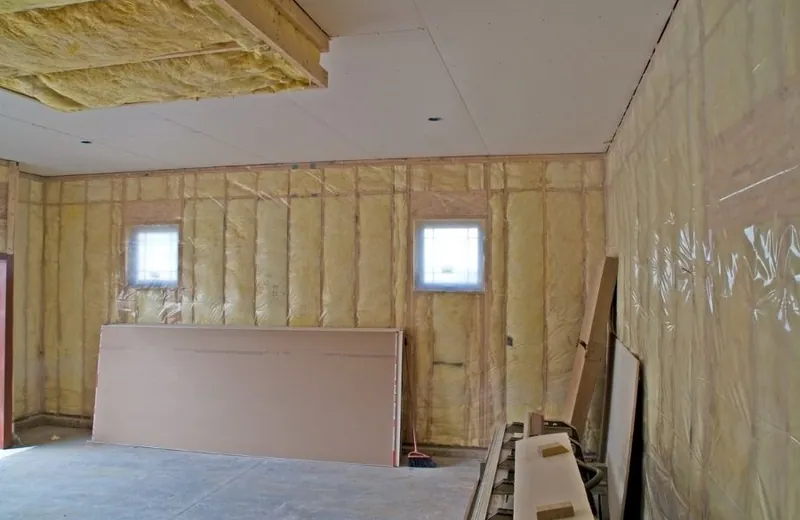
We install insulation in walls, floors, ceilings, additions, garage conversions, and ADUs, matching materials and R-values to the space and the project's Title 24 requirements.

Our approach

We choose batts, blown-in, or spray foam based on framing, moisture exposure, and budget. Installation is done carefully, with no gaps, compression, or voids, so it can pass inspection and any required Quality Insulation Installation verification.

In San Diego, CA

San Diego's ADU boom means many garage conversions and backyard units need insulation that meets Title 24. We coordinate timing with your builder and the inspection schedule from City or County permitting.

Best for

ADUs, room additions, remodels with open walls, garage conversions, and any project that has to pass a building inspection.

Simple & Transparent

How Your Insulation Project Works

We keep things simple and transparent. You'll know what we found, what we recommend, what it costs, and when we'll be done before anyone climbs into your attic.

Free Consultation and Scheduling

  • You call or send a request through our contact page
  • We ask about comfort issues, bills, pests, and your home's age
  • We schedule a visit at a time that works for you

Tell us if you're in an HOA community like Rancho Bernardo or Carmel Valley, or in a historic district, so we can plan around any rules.

Same week, usually within 2–5 business days

In-Home Inspection

  • We measure existing insulation depth and R-value
  • We check for rodent activity, moisture, and vermiculite
  • We look at ventilation, baffles, ducts, and air leaks
  • We take photos so you can see exactly what's up there

For coastal homes we focus on moisture and ventilation. For inland homes we look closely at heat gain and radiant barrier potential.

45–90 minutes on site

Itemized Quote and Plan

  • We give you a written, line-item quote with options
  • We explain any permit, testing, or HERS requirements
  • We point out rebate and tax-credit opportunities
  • We review financing options if you want them

If pre-1980 materials need asbestos testing, we include that step in the plan before any removal.

Usually within 24–48 hours

Installation Day

  • We protect floors and the area around the attic access
  • We remove, sanitize, and air seal as scoped
  • We install insulation to verified depth
  • We clean up thoroughly before we leave

In Zone 10 heat, we start early in the morning so crews aren't in a 140°F attic, which also keeps the work quality high.

1 day for most attics, 2–3 days for removal plus replacement

Walkthrough and Documentation

  • We walk you through before-and-after photos
  • We provide depth and R-value documentation
  • We help with paperwork for rebates or inspections

Documentation helps with the federal 25C credit and any SDG&E or state programs available when your project is done.

Final 30 minutes of the job
The San Diego Insulation Masters Difference

Why San Diego Homeowners Choose San Diego Insulation Masters

Local Since 2005, From the Beach to the Inland Valleys

We've been insulating San Diego homes since 2005, and that history shapes every recommendation we make. We know a Pacific Beach attic fights moisture while a Rancho Bernardo attic fights 140°F heat. We know which Clairemont ranches have 18-inch attic clearances and which Kensington bungalows have nothing under the floor. That local knowledge keeps you from paying for the wrong solution, like heavy foam where a top-off would do, or a top-off where rodent damage really calls for full replacement.

Bonded and Insured for Your Protection

Insulation work happens inside your home, around your wiring, ducts, and ceilings. San Diego Insulation Masters is bonded and insured, so you're protected if something unexpected happens on the job. We encourage every homeowner to verify any contractor's credentials before work starts, us included. In a market where unlicensed and uninsured operators are a real concern, working with an established, accountable company removes a lot of the risk from a project that's mostly out of sight.

Insulation Is Our Specialty, Not a Side Job

We focus on insulation, including attic, blown-in, spray foam, crawl space, removal, and replacement. That focus means we notice the details generalists miss: blocked soffit vents, unsealed top plates, recessed lights that need clearance, and rodent entry points along the eaves. It also means we bring the right equipment, from high-powered removal vacuums to blowing machines and spray foam rigs, so jobs are done properly and efficiently instead of improvised.

Honest, Itemized Pricing

Every quote is written and itemized, so you can see what removal, sanitizing, air sealing, and new insulation each cost. When a simple top-off is enough, we'll say so. When we find something serious, like vermiculite or heavy rodent contamination, we show you photos and explain your options. No pressure, no surprise add-ons on installation day. San Diego is expensive enough already, and you deserve to know exactly where your money goes.

Climate-Zone-Smart Recommendations

Recommendations change with your address. In Zone 7 coastal neighborhoods, we put ventilation, baffles, and vapor control first. In Zone 10 neighborhoods like Scripps Ranch, Mira Mesa, and Tierrasanta, we focus on higher R-values and radiant barriers to cut peak-hour cooling costs. We also consider Title 24 requirements, historic-district limits, and WUI ember-resistant vent rules when they apply, so your upgrade fits both your home and the regulations around it.

Careful Work Inside Your Home

We treat your home with respect from the first visit to the final cleanup. Crews protect flooring and furniture around the attic access, contain dust during removal, and leave the work area cleaner than we found it. Before-and-after photos show you exactly what was done in a space you'll probably never visit. Our homeowners tell us that care matters as much as the insulation itself.

Financing That Makes Upgrades Practical

Big upgrades like full attic replacement, crawlspace encapsulation, or spray foam for an ADU can be hard to fit into one month's budget. We offer financing so you can start saving on SDG&E bills now instead of waiting. Combined with available federal tax credits and any current utility or state incentives, financing often makes a comprehensive upgrade more affordable than homeowners expect.

Trusted Locally

Trusted by San Diego Homeowners Since 2005

For two decades, San Diego homeowners have counted on us for straight answers, fair pricing, and careful work in the parts of their homes they rarely see.

2005
Serving San Diego Since
20 Miles
Service Radius
7
Insulation Services Offered
Free
In-Home Quotes
BondedInsuredFinancing available
Where We Work

Insulation Services Across San Diego

We serve homes within about 20 miles of San Diego, from foggy beach neighborhoods to sun-baked inland communities. Each area has its own housing types and climate challenges, and we plan every project around them.

Coastal and Central San Diego

Point LomaPacific BeachLa JollaMission HillsNorth ParkKensington

Mid-City and Central Mesas

ClairemontAllied GardensTierrasantaUniversity City

North County Inland

Mira MesaScripps RanchRancho PeñasquitosRancho BernardoCarmel Valley

We serve homes within roughly a 20-mile radius of San Diego. Not sure if you're covered? Reach out through our contact page and we'll confirm. Not sure if we cover your area? Call (619) 848-1926.

Transparent Pricing

What Insulation Costs in San Diego

Most San Diego insulation projects cost between about $1,800 and $15,000, depending on square footage, the material, and whether old insulation has to come out first. Here's what drives the price and what typical local projects run.

Primary Factor

Removal and Contamination

Whether old insulation has to come out is the biggest swing in price. A clean attic that just needs a top-off costs far less than one fouled by roof rats, which requires vacuum removal, debris cleanup, and sanitizing before anything new goes in. Removal typically adds about $1.50 to $3.00 per square foot. If vermiculite is suspected, testing and any licensed abatement are separate costs that have to happen first.

Primary Factor

Insulation Material

Blown-in fiberglass or cellulose is the most economical way to add attic R-value. Batts fall in a similar range for open framing. Open-cell spray foam costs noticeably more, and closed-cell more still, because it adds air sealing and moisture resistance. The right choice depends on the space. Foam makes sense for crawlspaces, ADUs, and rooflines, while blown-in usually wins for standard vented attics.

Secondary Factor

Square Footage and Target R-Value

A 1,200-square-foot Clairemont ranch costs less than a 2,800-square-foot Rancho Bernardo two-story. Going from R-11 to R-49 also takes more material than topping off from R-30. Inland Zone 10 homes often justify the higher R-value because the summer cooling savings are larger, while coastal homes may not need to go as far.

Secondary Factor

Access and Attic Conditions

Low-slope ranch roofs with 18 to 24 inches of clearance, tiny hatches, and crowded duct runs slow the work and add labor. Crawlspaces with low clearance or standing moisture add prep time too. Steep, roomy attics in newer homes are quicker and less expensive to insulate.

Additional Factor

Add-Ons and Code Requirements

Air sealing, vent baffles, radiant barriers, crawlspace vapor barriers, and hatch insulation each add cost but improve results. Projects tied to ADUs, additions, or HVAC replacement may need permits and HERS verification, and WUI homes may need ember-resistant vents. We list each of these separately so you can decide what to include.

Typical projectDetailsEstimated range
Attic top-off in a 1980s Mira Mesa tract homeAbout 1,600 sq ft attic, settled R-19 fiberglass brought up to R-49 with blown-in, plus baffles and basic air sealing$2,200 – $4,000
Rodent cleanup and full attic replacement in ClairemontAbout 1,300 sq ft single-story ranch, vacuum removal, sanitizing, ceiling air seal, new blown-in insulation to R-38 to R-49$5,000 – $9,000
Crawl space insulation under a North Park CraftsmanAbout 1,100 sq ft raised floor, old batt removal, ground vapor barrier, new underfloor insulation (spray foam increases cost)$3,000 – $7,500
Spray foam for a garage-conversion ADUAbout 450 sq ft unit, walls and roofline in open- or closed-cell foam to meet Title 24 requirements$5,500 – $11,000

Financing is available to spread the cost of larger projects into manageable monthly payments. Ask about options during your free quote. With SDG&E peak rates among the highest in the country, a properly insulated and sealed attic can noticeably cut summer cooling costs and reduce wear on your AC. Federal 25C credits and changing local incentives can offset part of the cost.

Questions & Answers

San Diego Insulation FAQs

How much does attic insulation cost in San Diego?

Most San Diego attic insulation projects cost between $2,000 and $4,500 for a blown-in top-off on a typical 1,200 to 2,000 square foot attic. If old or rodent-contaminated insulation has to be removed and the attic sanitized first, total costs usually land between $5,000 and $9,000. Spray foam rooflines and larger homes can run higher. The main variables are square footage, your starting and target R-value, access, and add-ons like air sealing or a radiant barrier. We give every homeowner a free, itemized quote, so you'll see exactly what each part of the project costs before you decide.

How long does an insulation project take?

Most attic top-offs take one day, often just four to six hours. A full removal and replacement usually takes two to three days because the removal, sanitizing, air sealing, and new installation all happen in sequence. Crawlspace projects generally take one to two days, depending on clearance and moisture conditions. Spray foam for an ADU or addition is usually one to two days, plus curing time. In inland neighborhoods during summer, we start early in the morning to avoid peak attic heat, so expect crews at your door bright and early.

Do I need a permit for insulation in San Diego?

A simple attic insulation top-off usually doesn't require a permit in the City of San Diego. Permits typically come into play when insulation is part of a bigger project, such as an ADU, room addition, garage conversion, re-roof, or HVAC replacement. Those projects can also trigger Title 24 requirements and HERS field verification, like duct leakage testing or Quality Insulation Installation checks. Permits are issued by the City's Development Services Department or the County, depending on where you live. We'll tell you up front if your project needs one.

Should I remove old insulation or just add more on top?

If your existing insulation is dry, clean, and free of rodent activity, adding more on top is usually the most cost-effective choice. If it's contaminated with droppings, water-damaged, moldy, or smoke-tainted, it should come out. Covering it up traps odors and allergens and makes future pest problems harder to track. Removal is also smart before major attic work like solar or HVAC replacement, because it gives you a clean slate. If we see pebble-like vermiculite, we recommend testing before anyone disturbs it.

What R-value do I need for a San Diego attic?

For most San Diego homes, R-38 is a solid target and R-49 is worth considering in hotter inland areas. Coastal Climate Zone 7 homes can perform well around R-30 to R-38 when paired with good ventilation and moisture control. Inland Zone 10 neighborhoods like Rancho Bernardo, Scripps Ranch, and Tierrasanta get more benefit from R-49 and a radiant barrier because summer attic temperatures climb so high. During your inspection, we'll measure what you have now and recommend a level that makes financial sense for your microclimate.

How can I prevent rodents from ruining my new insulation?

Start with exclusion. Have a pest professional seal entry points before new insulation goes in. Around the house, trim tree branches and palm fronds back from the roof, pick up fallen fruit, and cut back dense ivy on walls and fences. During our work, we seal gaps we can reach from inside the attic and check that vent screens are intact. After installation, listen for nighttime noises and check the attic hatch area once or twice a year. Catching activity early can save you a full removal later.

When should I upgrade my insulation instead of waiting?

Act soon if you hear rodents in the attic, notice musty or ammonia odors, find upstairs rooms running 5 to 10 degrees warmer, or see summer SDG&E bills climbing year after year. It's also smart to insulate before installing solar, a heat pump, or a new AC system, because a tighter home may need smaller equipment. Planning a re-roof, ADU, or remodel? That's the ideal time too. And if your home was built before 1978 and the attic has never been upgraded, it almost certainly needs attention.

Is spray foam or blown-in insulation better for my home?

It depends on the space. Blown-in insulation is usually the best value for standard vented attics, since it's affordable and fills around joists and wiring evenly. Spray foam costs more but air seals and insulates in one step, which makes it ideal for ADUs, cathedral ceilings, low-slope roofs with no room for loose fill, and damp coastal crawlspaces where closed-cell foam resists moisture. Open-cell foam also helps with noise near the airport and freeways. We'll recommend whichever one solves your problem at the right cost.

Find Us

Serving San Diego, CA & Nearby

7975 Dunbrook Rd, San Diego, CA, 92126

Ready When You Are

Get Your Free San Diego Insulation Quote Today

Stop paying SDG&E to cool a hot attic. Let's look at your insulation, show you exactly what we find, and build a plan that fits your home, your microclimate, and your budget.

  • Free in-home inspection with photos of your attic or crawlspace
  • Written, itemized quote with no surprise add-ons
  • Recommendations matched to your coastal or inland climate zone
  • Bonded and insured crew that treats your home with care
  • Help identifying available tax credits and incentives
  • Financing available for larger projects
  • Thorough cleanup and before-and-after documentation

Proudly serving homes within 20 miles of San Diego, including Point Loma, North Park, Clairemont, Mira Mesa, Scripps Ranch, Rancho Bernardo, and nearby neighborhoods.

Hearing rodents overhead or noticing strong odors from the attic? Contact us soon. Contaminated insulation affects your indoor air every day it stays in place.

Bonded · Insured

San Diego Insulation Masters Free estimates across San Diego, CA